
Fairridge shares practical, down-to-earth guidance on uk countryside walks and outdoor living for readers across the UK.
- 0123456789
- Angle Bd Abdelmoumen & rue soumaya, Résidence
- [email protected]
Fairridge shares practical, down-to-earth guidance on uk countryside walks and outdoor living for readers across the UK.
 By George Pemberton
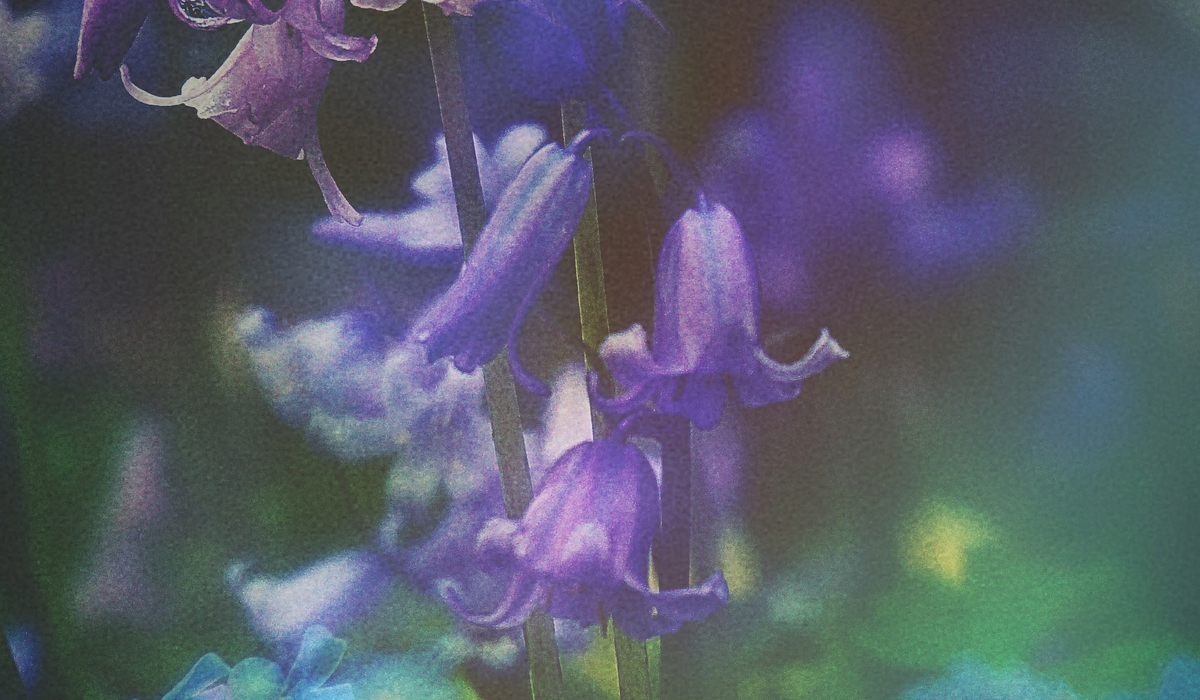
There is a particular week in spring when a damp, old wood stops being a place you look at and becomes a place you smell. Wild garlic — ramsons, to give it the older and lovelier name — has pushed up through last autumn's leaf litter, and the air is thick with it. Walk on and the scent fades, then returns in another patch, and another, until you realise the whole wood is carpeted with it.
Wild garlic is one of the great rewards of British woodland walking, and one of the easiest wild foods to gather responsibly. It is also one of the easiest to get wrong, because two of its most common lookalikes are seriously toxic. Learn the plant properly and you have free spring greens for years. Learn it carelessly and you have a bad afternoon.
Wild garlic likes damp, shaded ground and ancient woodland. Look for north-facing slopes, the sides of streams and ditches, hedge banks that never quite dry out, and the heavy clay soils of lowland woods. It is a strong indicator of long-established woodland, often growing alongside bluebells, wood anemone, dog's mercury and lesser celandine.
Timing matters. The leaves are at their best from March to early May, before the plants flower. Once the white starry flowers open — usually April through June — the leaves turn coarser and the flavour sharpens. The flowers themselves are edible and lovely scattered over a salad, and the green seed pods that follow can be pickled like tiny capers.
This is the part that matters. Never pick a leaf by sight alone, and never pick from a mixed patch without checking each leaf individually.
The reliable test is the smell, but do it properly: tear a leaf, rub it between your fingers and wait a few seconds. In cold weather the aroma can take a moment to arrive. Warm it in your palm first. If there is no clear garlic smell, put it down and walk on. If the leaves are growing in pairs, if they are spotted or glossy, or if something feels slightly off, trust that feeling.
In England and Wales, picking foliage, fruit, flowers and fungi for personal use is generally permitted, but uprooting a plant without the landowner's permission is not. Rules differ across the UK and are stricter in Scotland for anything gathered commercially. On nature reserves, protected sites and land with a no-picking policy, the answer is simply no — and it is always worth asking if you are unsure.
Beyond the law, good practice keeps the patch alive:
Wild garlic loses its punch quickly, so use it within a day or two, or blanch it for twenty seconds, squeeze it dry and freeze it as a paste with a little oil. The classic is pesto — wild garlic, toasted hazelnuts, a hard cheese, good olive oil — but the leaves are just as good stirred into a potato and leek soup at the last minute, folded through mashed potato, chopped into an omelette or kneaded into soda bread. Whizzed with soft butter and frozen in a log, it will improve almost any piece of fish or chicken for the rest of the year.
Treat the wood kindly, take only what you will genuinely eat, and this becomes one of the most rewarding habits of the walking year — a spring walk that ends with the kitchen smelling of the wood you just left.


We are not gonna make spamming
