
Fairridge shares practical, down-to-earth guidance on uk countryside walks and outdoor living for readers across the UK.
- 0123456789
- Angle Bd Abdelmoumen & rue soumaya, Résidence
- [email protected]
Fairridge shares practical, down-to-earth guidance on uk countryside walks and outdoor living for readers across the UK.
 By Daniel Whitcombe
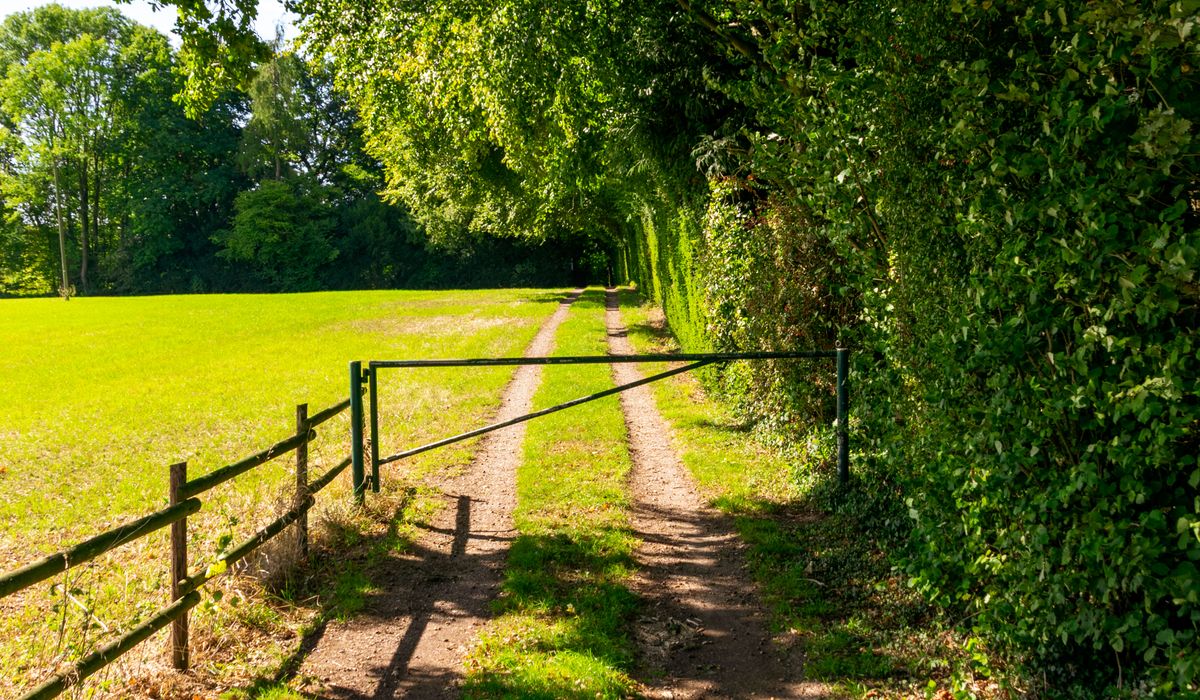
Any seasoned walker knows the forecast is only half the story. A morning that starts bright over the Cotswolds can finish with sideways drizzle on a exposed ridge, and the ground underfoot is often far wetter than the sky above suggests. Long grass after a night of rain will soak through fabric in seconds. Peat moorland holds water like a sponge. Clay paths through Midland woods turn into something closer to butter. Our winters are usually mild and muddy rather than crisp and snowy, so the boot that copes with packed snow in the Alps is rarely the one that suits a wet Saturday in the Peak District.
Everything comes down to two qualities pulling in opposite directions: keeping water out, and letting sweat escape. Get that balance right and your feet stay comfortable for hours. Get it wrong and you will know about it by the second stile.
Waterproofing begins with the upper. Full-grain leather is naturally water-resistant and can be waxed to shed rain beautifully, though it is heavier and needs regular feeding to stay supple. Synthetic uppers are lighter and dry faster, but rely more heavily on a waterproof and breathable membrane inside. Nubuck and split leather sit somewhere in between, pleasant to wear but quick to darken and saturate if left untreated.
The materials only tell part of the story. Look closely at the construction details:
Be sceptical of boots described only as "water resistant". That is perfectly adequate for a dry towpath in July, but it will not keep you dry on a boggy traverse in November. For genuine British wet-weather walking, insist on properly waterproof.
A fully waterproof boot that cannot breathe becomes a plastic bag tied around your foot. Within an hour you are damp from the inside, which feels just as miserable as rain getting in, and cold feet follow quickly once you stop moving.
A good waterproof and breathable membrane allows water vapour from sweat to pass out while blocking liquid water from entering. Leather breathes naturally but is heavier and slower to dry; synthetics are lighter and quicker to dry but generally wear out sooner. Either can work well, provided the boot suits the conditions you actually walk in.
A few practical habits make a real difference to breathability:
No single boot suits every walk, so think honestly about where you will spend most of your time.
If you walk in one pair of boots all year, a mid-cut waterproof boot with a moderately stiff sole is the sensible compromise. Not perfect anywhere, but capable everywhere.
Fit beats every specification on the box. A technically brilliant boot that pinches your toes is useless after five miles. Your heel should sit locked without lifting, your toes should have room to wriggle without sliding forward on descents, and the widest part of your foot should match the widest part of the boot.
Try boots on in the afternoon, when feet are slightly swollen, and wear the socks you plan to walk in. A simple wool or synthetic blend is far better than cotton, which holds water against the skin and chills rapidly once it is wet. Lace carefully from the bottom up, using a heel-lock loop if the boot has one, and take a few minutes to walk around indoors before committing.
Well-cared-for boots last years longer and keep you drier. Rinse mud off with cool water after every walk, paying attention to the flex point and the rand where grit collects and grinds away at the seams. Dry them at room temperature, away from radiators and open fires, which harden leather and crack membranes. Stuff them with newspaper if they are soaked through.
Reproof leather regularly with a suitable wax or conditioner, and refresh the water-repellent finish on synthetic uppers as soon as rain stops beading on the surface. Replace worn insoles, trim fraying laces, and check for small cracks before they become leaks. Do all this and your boots will repay you, mile after muddy mile, whatever the British sky decides to throw at you next.


We are not gonna make spamming
