
Fairridge shares practical, down-to-earth guidance on uk countryside walks and outdoor living for readers across the UK.
- 0123456789
- Angle Bd Abdelmoumen & rue soumaya, Résidence
- [email protected]
Fairridge shares practical, down-to-earth guidance on uk countryside walks and outdoor living for readers across the UK.
 By Emily Hartley
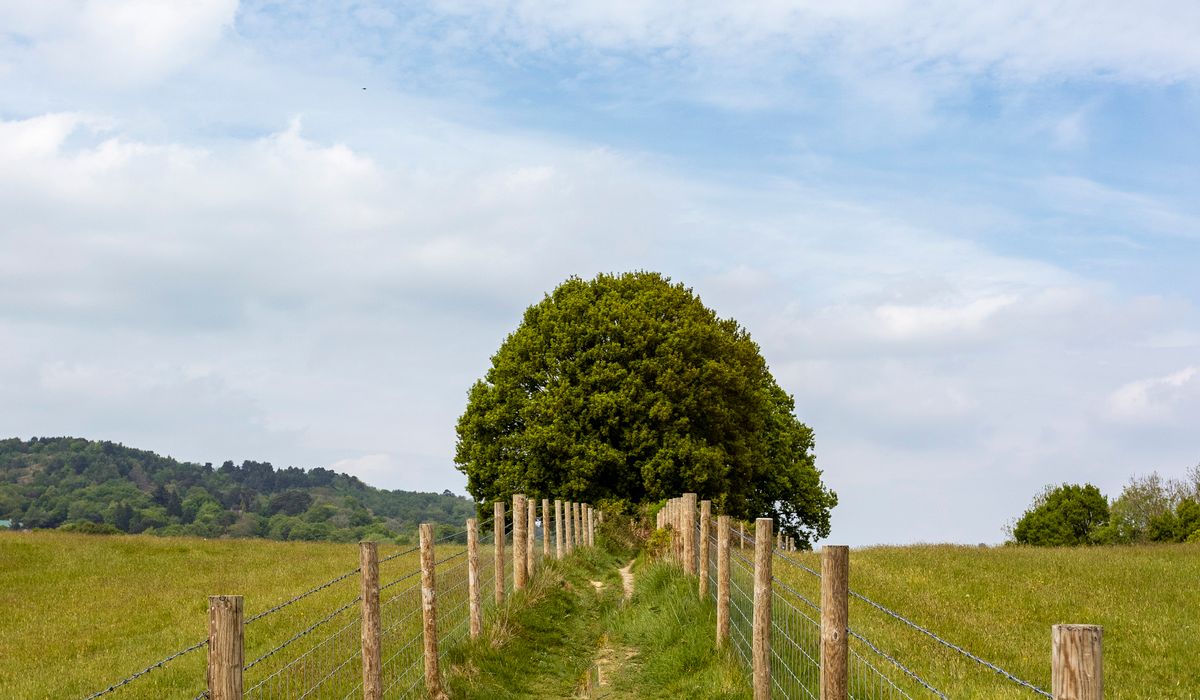
The British countryside does not give up its secrets easily. A misty morning is a fleeting reward for those who rise early, pull on waterproof boots and step out into the half-light. Whether you are walking a river valley in the Peak District, a lowland meadow in the Cotswolds, or a Highland glen, the right approach will help you capture that quiet, luminous atmosphere. This is a guide to making the most of those precious hours, from steadying your camera to keeping your lens clear.
Mist forms when the air cools to its dew point overnight, usually on calm, clear nights after a day of rain. Light winds and high pressure are your friends. Valley bottoms, river banks, lakeshores and damp woodland are the first places to fill with mist. Check the forecast for clear skies and a light breeze, then arrive at your chosen spot at least half an hour before sunrise. The best light often comes just as the sun breaks the horizon, when mist glows pink and gold before burning off.
In low light, a tripod is not a luxury. It lets you use slow shutter speeds, keep your ISO low and your aperture in the sweet spot. A carbon fibre tripod is lighter for long walks, but aluminium is perfectly adequate. Set it low to the ground for a more intimate perspective, and use a remote release or the self-timer to avoid shake. If your camera has mirror lock-up, use it.
Start with ISO 100 or 200, an aperture between f/8 and f/16 for depth of field, and let the shutter speed fall where it may. Bracket your exposures by one or two stops either side of the meter reading. This gives you options when the contrast between bright mist and dark silhouettes is tricky.
A circular polarising filter is a powerful tool for misty mornings, but it must be used with care. It cuts through haze, deepens colours and reduces reflections on wet leaves and water. Rotate the filter slowly and watch how the scene changes. For a wide-angle landscape, avoid maximum polarisation, which can create an uneven, dark sky. You will lose one to two stops of light, so the tripod becomes even more important. A polariser can also cool the colour temperature, which suits the blue-grey mood of dawn mist, but warm it back slightly in editing if the result feels too cold.
Some of the most striking misty images are made by shooting directly into the sun. Expose for the brightest part of the sky, and let the landscape fall into silhouette. Oak trees, dry stone walls, kissing gates, a lone walker with a rucksack: all become graphic shapes against the glow. Use spot metering or manual mode, and check your histogram to avoid blowing out the highlights. A lens hood helps control flare, but a little flare can add atmosphere, so experiment. Try underexposing by a stop or two for a richer, moodier result.
Mist is moisture, and moisture is the enemy of clear images. Condensation forms when you move a cold camera into warmer air, so let your kit acclimatise inside a sealed bag before you start shooting. Keep a microfibre cloth in a dry pocket and wipe the front element gently, never scrub. A lens hood shields the glass from drizzle and stray light. For longer walks, carry a waterproof cover and a few silica gel packets in your bag. If you wear glasses, you will know the struggle; a small cloth for your spectacles is just as vital.
Look after yourself, too. Waterproof boots, gaiters, a warm layer and a flask of tea will keep you comfortable when you are standing still in the cold.
A misty morning can be disorientating, so plan your route on a detailed map and carry a compass. Tell someone where you are going and when you expect to return. A head torch is essential for the walk in. Stick to public footpaths and bridleways, close gates behind you, and give livestock plenty of room. Keep dogs on a lead around sheep and ground-nesting birds. In mist, sound travels strangely, so pause often and listen. The countryside is not a backdrop; it is a living place. Leave no litter, take only photographs, and enjoy the privilege of being out there.


We are not gonna make spamming
