
Fairridge shares practical, down-to-earth guidance on uk countryside walks and outdoor living for readers across the UK.
- 0123456789
- Angle Bd Abdelmoumen & rue soumaya, Résidence
- [email protected]
Fairridge shares practical, down-to-earth guidance on uk countryside walks and outdoor living for readers across the UK.
 By Daniel Whitcombe
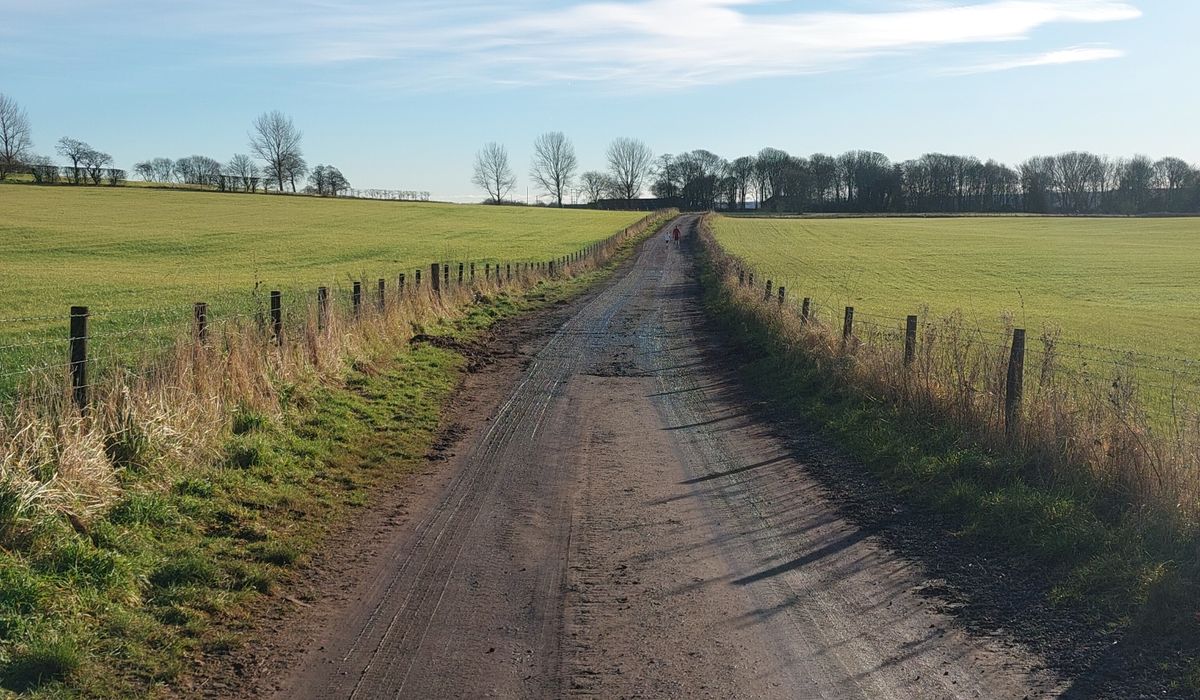
By late August, the verges and field edges that have spent months looking decorative are finally doing something useful. Bramble canes that flowered pink and white in June are now loaded with blackberries, and the whole hedgerow smells faintly of warm jam. For anyone who walks in the British countryside, it is one of the year's quiet pleasures: a flask of tea, a shallow tub, and an hour spent reaching into the thorns.
Blackberries are also one of the easiest wild foods to gather, which is exactly why a little care is needed. A badly picked hedgerow takes months to recover, and the fruit you leave behind matters far more to birds and small mammals than it does to you. Here is how to gather a decent crop and leave the hedge in better shape than you found it.
Brambles ripen unevenly, a few berries at a time, often over six or seven weeks from late July into early October. The trick is not to take everything that looks dark, but to pick only fruit that is genuinely ready.
Taste as you go. A handful of berries at different stages will tell you more about a hedge than any rule — and it is a fine excuse to eat a few straight from the bush.
There is a simple habit that does most of the work of keeping your pickings clean: pick above waist height. Fruit lower down sits in the zone used by dogs, foxes, badgers and anything else that marks its territory as it passes. Higher berries are also cleaner, drier, less splashed by mud, and usually riper, because they catch more sun.
Staying upright has another advantage. You can work from the path side of the hedge rather than pushing into it, which means less trampled ground at the base — the very place where hedgehogs, voles and nesting birds shelter. Reaching up also keeps you clear of the tangle of bramble and nettle at ground level.
Two places are worth avoiding entirely: heavily trafficked road verges, where fruit carries exhaust residue, and field edges that may have been sprayed. If in doubt, walk on.
A bramble is a tough plant, but a hedgerow is more fragile than it looks. Its value lies in its structure: the dense, layered tangle that gives birds somewhere to nest and insects somewhere to overwinter. Breaking canes and hacking at branches damages that structure and can leave the hedge gap-ridden for years.
Blackberries are not there for us. In late summer and early autumn they are a staple for blackbirds, song thrushes, warblers arriving on migration, and later for redwings and fieldfares. Dormice, voles, foxes and badgers all take them too. Overripe fruit feeds comma and red admiral butterflies, and the seeds are moved around the landscape in the droppings of everything that eats them.
A sensible rule is to take no more than a third of the ripe fruit from any one stretch, and to leave the topmost berries on each bush alone — they are the ones birds see first. Better still, pick lightly across a long stretch of hedge rather than clearing one patch completely. If a spot feels picked over, move on. There is usually another hedge a field away.
A good afternoon's picking might give you a couple of kilos. Rinse the berries in a bowl of cold water with a pinch of salt, which encourages any small larvae to float free, then drain and pat dry. Spread them on a tray and freeze them individually before bagging, so they keep loose and separate.
From there, blackberries are forgiving. A crumble with apples, a slow-simmered jelly with a squeeze of lemon, a hedgerow cordial, or a pot of jam that sets better with a handful of underripe fruit added. Whatever you make, leave some in the freezer for a January pudding — and leave the rest on the branch, where it belongs.


We are not gonna make spamming
