
Fairridge shares practical, down-to-earth guidance on uk countryside walks and outdoor living for readers across the UK.
- 0123456789
- Angle Bd Abdelmoumen & rue soumaya, Résidence
- [email protected]
Fairridge shares practical, down-to-earth guidance on uk countryside walks and outdoor living for readers across the UK.
 By Daniel Whitcombe
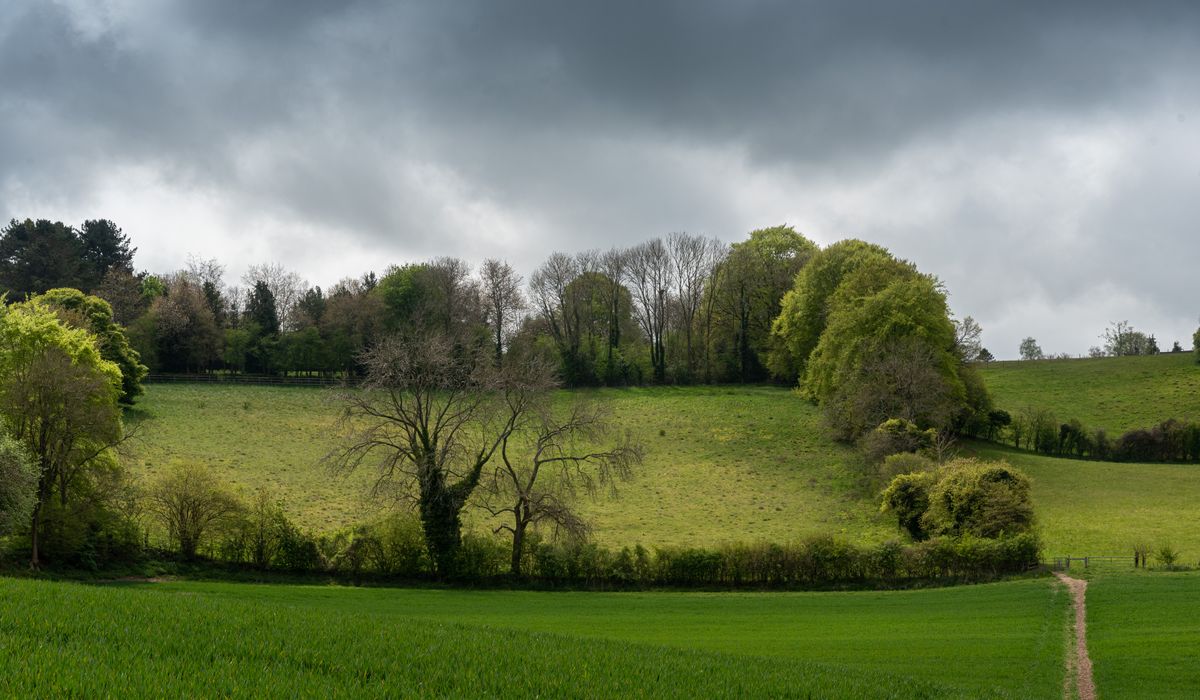
There is a particular kind of silence that settles over the British countryside half an hour before sunrise. The wind often drops, the air feels heavier, and the sounds that carry across the fields seem to arrive from much further away than they should. For anyone who wants to see deer, hares, and songbirds rather than simply walk past their hiding places, this is the hour that matters. Wildlife in the UK is heavily disturbed during daylight hours; our animals are, in effect, crepuscular by necessity as much as by nature. Arrive early, move thoughtfully, and the same footpath you have walked a hundred times becomes an entirely different place.
Most British mammals feed through the night and then move to cover as light builds. Roe deer, badgers, foxes, and brown hares are all finishing their activity as the sun rises, which means the first forty minutes of daylight catch them still out in the open. Songbirds, meanwhile, are doing the opposite. The dawn chorus begins roughly an hour before sunrise and peaks in the fifteen minutes either side of it, as males re-establish territory and call to mates. Blackbirds, song thrushes, robins, and wrens are the earliest voices; chiffchaffs, willow warblers, and blackcaps join once the light strengthens.
Weather shapes everything. A still, mild, damp morning after overnight rain is close to ideal — scent lingers, sound travels, and animals are relaxed. Windy or very cold mornings push activity back and animals sit tight. In high summer, dawn may mean a 4.30am start; in late autumn and winter you can often be walking by 6.30am and still be first on the path. Overcast mornings are a quiet gift: the low light lasts longer, and wildlife stays visible for an extra half hour or more.
You do not need camouflage, but you do need to stop standing out. Deer and hares detect movement, shape, and unnatural contrast long before they identify a human face.
Fieldcraft is mostly patience. Walk at roughly half your normal pace, and break the walk with pauses — thirty seconds of standing still every fifty metres or so. Most animals that have heard you will freeze rather than flee, and they will often relax and step back out if you simply stop and wait.
Pay attention to the wind. If it is on your back, everything ahead of you knows you are coming. Where possible, walk into the breeze or across it, and use hedgerows, banks, and the shaded side of a wood as cover. Avoid skylines; a silhouette on a ridge is visible for a quarter of a mile. Stick to the edge of the path rather than its centre, and place each foot on grass or bare earth rather than twigs, gravel, or dry leaves.
Listen more than you look. A wren scolding, a blackbird giving a sharp repeated alarm, or a jay screaming from the canopy are all telling you something is moving. Move towards the noise slowly and stop before you think you need to.
Even a quiet morning gives you plenty to find. Dew and frost are your best tools: pressed or disturbed patches show exactly where an animal crossed a field, and a line of tracks leading into a hedge rarely lies. Learn to recognise deer slots — narrow, heart-shaped prints with two cleats — and look for fraying on young saplings where roe bucks have rubbed their antlers. Badger latrines, shallow scrapes, and snuffle marks in lawns and verges are common on the edges of villages. Hare forms, the flattened resting spots in long grass, are easy to walk past and easy to spot once you know the shape.
The single best piece of kit you can carry is a pair of 8x42 binoculars, because they mean you never need to get closer than an animal is comfortable with. As a working guide, stay at least fifty metres from deer, thirty from hares, and never approach a nest, a sett, or a resting animal to get a photograph. If an animal stops feeding, stares at you, or begins to move away, you are already too close — back off and let it settle.
Keep dogs on a short lead around livestock, on farmland, and between March and July when ground-nesting birds and young mammals are at their most vulnerable. Stay on public footpaths, leave gates exactly as you find them, and take everything home with you, including fruit peel and cold tea. Follow the Countryside Code, and treat every early morning as a loan rather than a right. Walk softly, look long, and the countryside will show you far more than you came for.


We are not gonna make spamming
