
Fairridge shares practical, down-to-earth guidance on uk countryside walks and outdoor living for readers across the UK.
- 0123456789
- Angle Bd Abdelmoumen & rue soumaya, Résidence
- [email protected]
Fairridge shares practical, down-to-earth guidance on uk countryside walks and outdoor living for readers across the UK.
 By Daniel Whitcombe
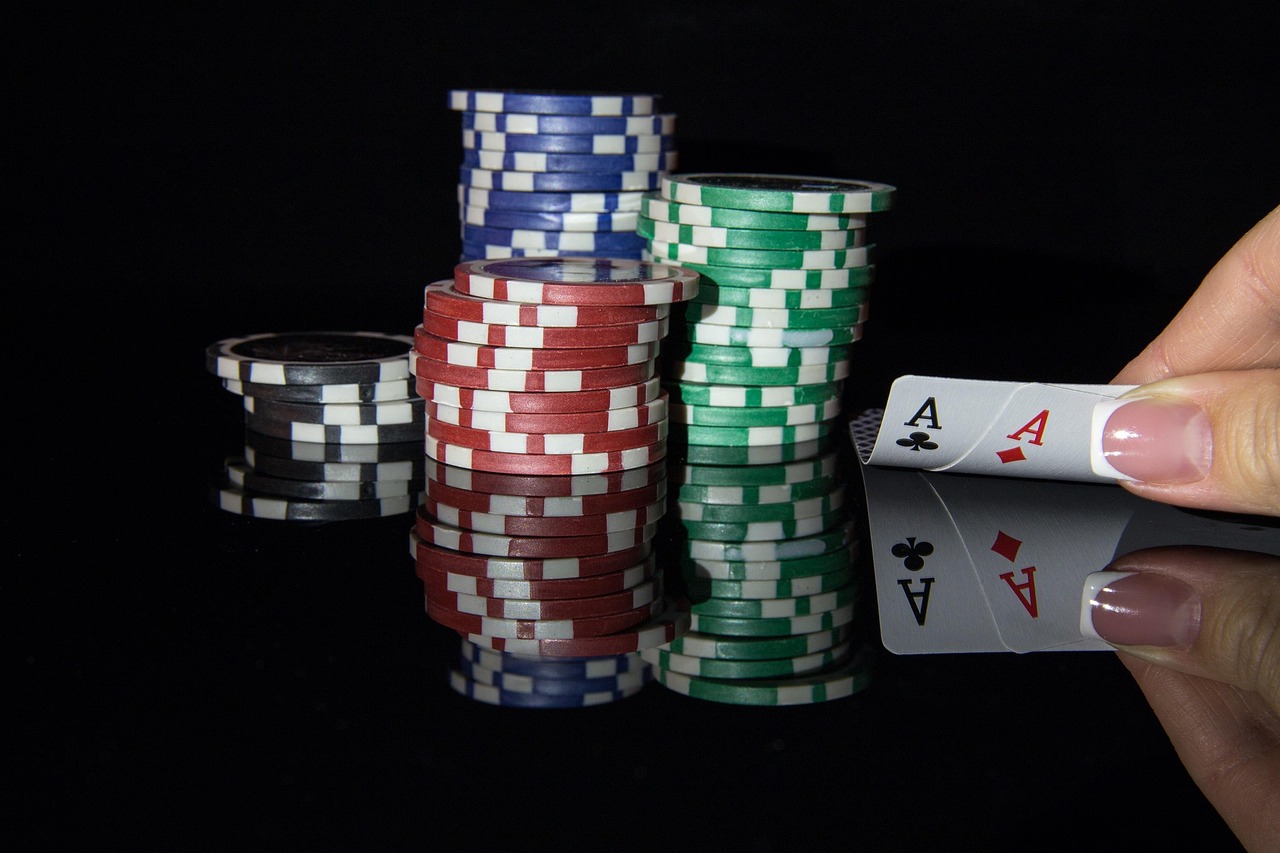
Ask ten casino players what keeps them coming back and you will get ten different answers. Some chase the adrenaline of a poker bluff. Others live for the rhythm of a live dealer spinning roulette. But walk onto any online casino floor and you will find the vast majority of screens lit up with slots. They are loud, fast, and deceptively simple — which is exactly why they generate the biggest slice of iGaming revenue worldwide.
Understanding how slots actually work, beyond the flashing jackpot numbers, changes the way you play. It also protects you from the myths that casino marketing quietly encourages. Here is a grounded look at the modern slot machine, along with a few other corners of the iGaming world worth respecting.
Every legitimate slot runs on a Random Number Generator. This piece of software produces thousands of outcomes per second, and the moment you hit spin, it locks in a result. The reels you see spinning are pure theatre; the outcome was decided the instant your finger touched the button. This matters because the human brain is built to find patterns. We see three cherries and assume a fourth is "due." That is the gambler's fallacy, and slots are engineered to exploit it.
A slot has no memory. Ten losing spins do not make a win more likely. Ten winning spins do not make a loss more likely. Each spin is independent, and once you internalise that, you stop chasing losses with the same emotional intensity.
Two numbers matter more than any theme or bonus round: RTP and volatility.
Choosing between them is about temperament, not superiority. If a steady grind keeps you entertained, low volatility is your friend. If you are chasing a life-changing hit and can stomach the dry spells, high volatility delivers that possibility. What it does not deliver is predictability.
Free spins, expanding wilds, cascading reels, megaways — these are not just decoration. They shift the math dramatically. A megaways slot with 117,649 ways to win looks generous, but that means each win is often microscopic. Conversely, a classic 3-reel slot with five paylines can offer a cleaner, more honest experience.
When you open a new slot, spend two minutes on the paytable. Check the max win, the RTP, and whether the bonus round is triggered by scatter symbols or a bonus buy. Some jurisdictions ban bonus buys entirely; others allow them at 100x your stake. Knowing which applies to you prevents surprises.
Slots are a closed box. Poker is the opposite. In Texas Hold'em, you are not playing against the house but against other people, and the house takes a rake. That single structural difference is why professional poker players exist and professional slot players do not — no matter what a forum post claims. Readers looking for specifics may like สล็อต.
If you are moving from slots to poker, start with micro-stakes and treat it as an education, not an income. Learn position, pot odds, and bankroll management before you learn fancy bluffs. Most beginners lose because they play too many hands, not because they get unlucky.
Betting on football, basketball, or tennis feels more analytical than slots, and in some ways it is. You can study form, injuries, and line movement. But the bookmaker's margin means you need to win more than 52% of even-money bets just to break even. The vig, as it is called, is the quiet tax on every wager.
Parlays are where casual bettors get hurt. Combining four legs at even odds turns a likely outcome into a long shot, and the payout does not compensate for the multiplied risk. If you enjoy a small accumulator on a weekend, fine — treat it as entertainment. Just do not confuse it with an investment strategy.
No strategy beats a negative-expectation game. RTP does not care about your feelings, your system, or the pattern you swear you spotted. The only variable fully in your control is how much you are willing to lose. Decide your session limit before you log in, not after a cold streak. Use deposit limits the platforms offer voluntarily; in many regulated markets they are mandatory. If a site makes it hard to set limits, that is a red flag, not a feature.
It is also worth checking licensing. A Malta Gaming Authority or UK Gambling Commission badge signals real oversight. An unlicensed offshore site may offer bigger bonuses, but good luck collecting a significant win.
The iGaming world has never been more polished or more predatory, often in the same product. Slots now rival video games in production value, live dealer studios stream in 4K, and betting apps fit in your pocket. That convenience is genuine, and so is the risk. The players who last — the ones who still enjoy it a decade later — tend to be the ones who treat every game as an expense rather than a plan. Learn the math, respect the variance, set hard limits, and the experience stays exactly what it should be: entertainment with a cost you chose in advance.


We are not gonna make spamming
